
Contact
Email: bchidester@rpts.edu
About
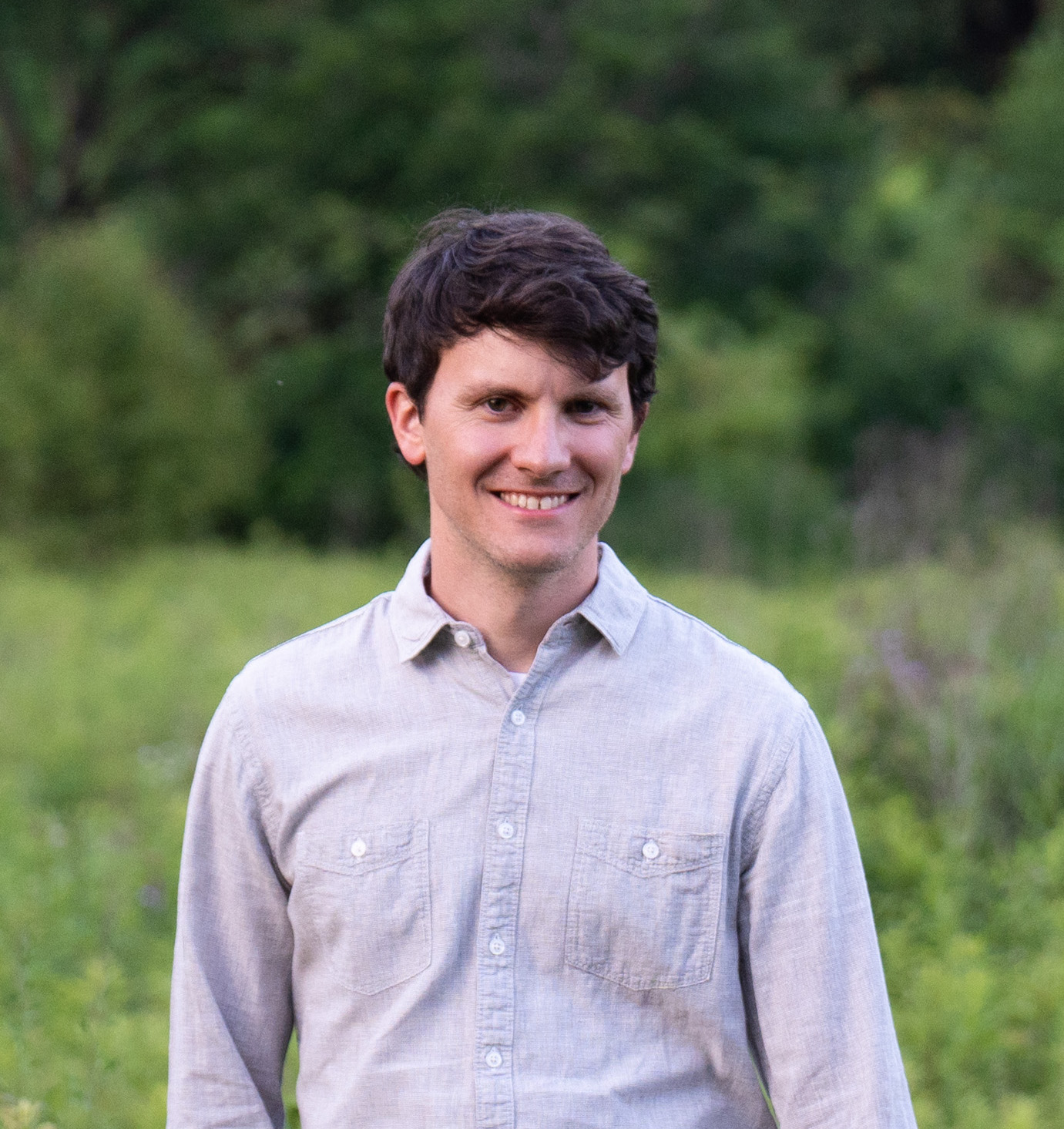
My professional background is in computational biology and machine learning research, but I have begun pursuing a M.Div. as I test my abilities in ministry. I received my Ph.D. in electrical and computer engineering from the University of Illinois and my B.S. from Carnegie Mellon University. During my college and graduate studies, I served in ministries, including as a music leader, Bible study leader, and president of an InterVarsity Christian Fellowship chapter. I currently serve as an elder and ministry intern at City Reformed Presbyterian Church. I am originally from Maryland, but now live in Pittsburgh, PA. I am happily married to my wife Emily since 2023, and we have a beloved little girl, Abigail.
RPTS Status
- Degree Program: MDiv
- Began: Sept. 2022
- Expected Graduation: Winter 2027
- Presbytery Status: Intern under care of the Pittsburgh Presbytery of the PCA
Sermons
RPTS Chapel Sermons
Papers & Essays
Church History & Theology
The Legacy of the Works of Theodoret of Cyrus
- This 5th century bishop was the leading theologian of the grammatical-historical Antiochene school. He is largely forgotten among both Protestants and Catholics in our time, but his writings were highly influential upon the magisterial Reformers (notably, Peter Martyr), particularly on their doctrine of the Lord’s Supper. He is a significant case study in the polemics of the Reformation over the historicity of doctrine.
Peter Martyr Vermigli’s Doctrine of Revelation in His Sacred Prayers
- In the early polemics of the Reformation, the fundamental Protestant doctrines of the clarity and sufficiency of Scripture were attacked by their Roman Catholic rivals as unstable, leading to all matter of doctrinal chaos and heresy. How could Protestants counter this argument, when Lutherans, Anabaptists, Reformed, and Anglican were so varied on their doctrinal confessions? This paper looks at the prayers of Peter Martyr Vermigli, one of the most influential of the early Reformers, to understand his view of the doctrine of Scripture and revelation from a spiritual perspective. That he wrote these prayers amidst the tumult of and threat of religious war gives them a particularly compelling character.
- During the height of Archbishop Thomas Cranmer’s leadership of the English Reformation, Cranmer laid designs for an ecumenical council of the Reformed across Europe that would solidify their movement and bolster it against the counter reformation of the Roman Catholic Church. Switzerland was concurrently pursuing a similar aim within its own cantons on the particularly divisive issue of the doctrine of the Lord’s Supper. This paper investigates the detrimental effect of internal strife within Reformed camps on the doctrine of the Lord’s Supper and the simple practical reality of overburdened churchmen and the effects of these realities on ecumenical dialogue at the time.
English Hypothetical Universalism at the Dawn of High Orthodoxy
- Is there any proper sense in which we can say that Christ died in a saving way for those who ultimately would not believe in him? This was the question that upset much of the Reformed church in the years after the Synod of Dort in an era known as High Orthodoxy. This paper investigates the extent to which “hypothetical universalism” — a view among some Reformed that answered the leading question affirmatively — had a hold within England and how the foremost advocates for and against, namely, John Davenant and John Owen, respectively, argued their positions.
“In All Things Pre-eminent”: John Owen’s Christological Conception of Union and Communion with God
- It is in vogue these days to describe one’s approach to doctrine as “Christ-centered,” but is your Christ-centered approach appropriately balanced with a robust, orthodox doctrine of the Trinity? John Owen’s writings on union and communion with God present the uniqueness of the role of the Son in relating to human beings, as his special creation, within a robust Trinitarian framework. This paper explores the implications of his Christological thought from Adam’s communion with God in the Garden to the believer’s consummated communion with God in heaven.
Worship
The Beauty of Simplicity in Christian Worship
- What underlying, positive principles ought to guide Christians in worship? This paper argues that Scripture has set forth a principle of simplicity that should characterize our worship, why such a principle is wise, and how such a principle can in itself redound to the beauty of Christ. It also argues how following such a principle could tend toward unity of worship among Protestants and Reformed especially, even among traditions that differ on their understanding of God’s prescribed forms of worship.